

Strategic Retail Development Planning Process: A Complete Guide to Retail Success
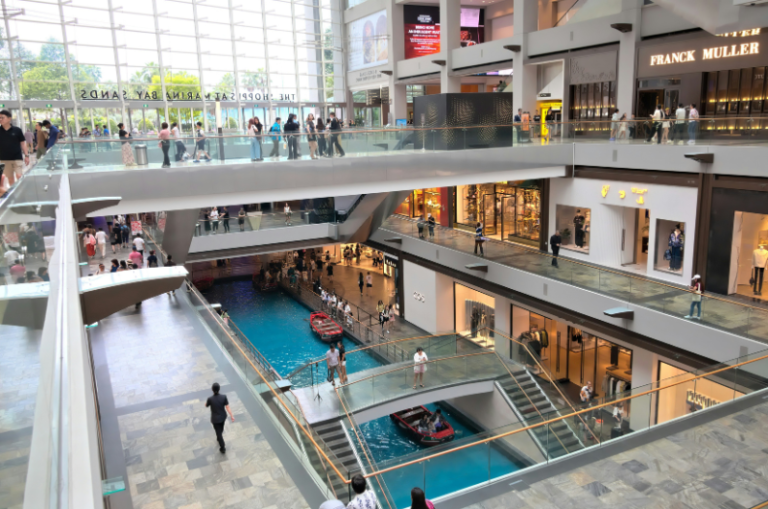
What Is Retail Planning in Retail Management?
Retail planning is a step-by-step procedure in retail management that outlines how to plan the physical structure (layout, design, and operationally) of the retail development for it to achieve the commercial objectives of the centre. This consist of all aspects of the retail development such as demo, tenant type, design of customer flow through and financial performance objectives, which are all tied together for a specific trade area and the demographics of the consumers.
Key Takeaway:
- Retail planning is the foundation of commerce: a retail planning process must be structured for new developments; without such a structure, a well-capitalized development can result in excess vacancy, inappropriate tenant mix, and lower than expected return on investment.
- Retail planning is not an architectural process: It is a strategic decision-making process. By integrating the market and leasing data and analysis, financial pro forma, and experience into a single cohesive plan, a retail master plan becomes a commercially based document.
- The six-phase process is a non-negotiable framework: protecting your investment and maximizing your return is accomplished through each stage from trade area assessment and concept development through to leasing activation and annual performance review.
- Evidence over optimism: Firms such as Phil McArthur & Partners utilize historical demand as a basis for all aspects of their strategic retail planning processes rather than assuming the best case or optimistic situation.
Why the Strategic Retail Planning Process Matters Today
A transformation is taking place in how consumers behave and shop. The shift of consumers toward increased e-commerce, mixed-use demand and higher expectation regarding experiences means retail destinations must now earn their relevance. The cost of inadequate planning can be measured through high rates of vacant retailing space, below market lease rates and under-performing assets compared to their investment philosophy.
What Is Retail Master Planning?
Retail master planning involves the creation of a comprehensive strategic and spatial retail precinct/shopping centre plan for the longer-term commercial and retail success of the centre. Retail master planning is more than just an architectural layout; it combines market intelligence, leasing strategy, experience design, and financial modeling into one overall retail master plan.
Retail Master Planning vs. General Urban Master Planning
At a larger scale, urban master planning considers land use, infrastructure, and community requirements. In contrast to this, retail master planning is focused on the commercial aspect of planning such as trade area analysis, benchmarking against competitors, optimising the Gross Leasable Area (GLA) and modelling revenue.
The Strategic Retail Planning Process
- Market Research & Trade Area Analysis: Data is essential for any retail strategy process to be actionable. The analytical basis of any retail feasibility study will be determined by access to the following pieces of data: definition of the catchment area, demographic profiling, household spending power, and competitive landscape mapping.
Phil McArthur & Partners, we will focus on measuring demand through real trials rather than optimistic forecasts when assessing feasibility. The gap analysis at this point will determine both the need for a proposed retail use, as well as the scale at which that need exists. - Retail Concept & Vision Setting: The concept positioning (in relation to community centre, regional mall, lifestyle hub and mixed-use precinct) will depend on the overall market data associated with that target area. Each typology will have varying anchor requirements, category priorities and expectation of experience.
As the retail concept is developed, it should be built with consideration for both demographics and commercial viability. Any vision created without considering the realities of the trade area will very rarely make it through to the leasing phase. - Tenant Mix Strategy & Leasing Framework: Foot traffic is primarily determined by the tenant mix however how many different types of retailers are available will greatly affect the amount of time someone will stay at a centre, as well as how much they will spend at that location. This decision needs to be based on actual demand from customers seeking out products within a particular category along with where those categories are located relative to one another before they are placed.
Phil McArthur & Partners recommend that retail planners base their strategies on empirical data rather than making assumptions. The planning process will also create the framework for how leasing professionals will implement the strategies developed in this phase. - Spatial Planning & Design Coordination: Retail architecture design and retail strategy development should take place concurrently, not successively. For example, circulation routes, anchor locations and experience zones have a direct relationship to where and how long customers will spend at a shopping centre.
The design review process established by Phil McArthur & Partners will ensure that spatial design decisions support overall commercial success, as well as provide clarity to customers (i.e., wayfinding) and maximise dwelling time within food, fashion and entertainment zones. - Financial Modelling & Feasibility: Revenue estimates, rental pricing and return projections help test the plan’s validity against actual market conditions. Sensitivity modelling tests the development’s ability to sustain itself at different levels of occupancy and different types of trades.
This is the phase where ambition and accountability meet. A solid feasibility model provides a shield for both investor and developer from costly mismatches of predicted and real returns. - Implementation, Monitoring & Review: To create the master plan into an operational reality, a retail activation plan, sequence of openings strategy, and performance measurements are defined. The retail strategy does not stop at opening; therefore, annual reviews are required to allow for changes based on changes in market conditions and customer trends.
How to Create an Effective Retail Master Plan for Shopping Malls
Key Principles of Shopping Mall Master Planning
An effective master plan for retail shopping centres requires the placement of anchors so they drive real foot traffic rather than only square footage. The adjacency of complementary retail categories as per category adjacency rules promotes cross-shopping and increases the amount spent per visit to the shopping centre.
Common Mistakes in Retail Master Planning (and How to Avoid Them)
- Dependence on an anchor: The commercial viability of the centre will be reduced significantly if the anchor chooses to leave the centre. A resilient master plan distributes shoppers across multiple zones to mitigate this risk.
- Lack of integration between digital and on-site: Omnichannel shoppers will expect, at minimum, to have the ability to use click and collect, digital wayfinding, and loyalty programs in their shopping experience. Centres failing to do so will become irrelevant to the demographics they want to support.
- Disconnect between developer objectives and retail requirements of the community: A master plan based on the developer’s returns and knowledge of the catchment’s actual buying habits will result in chronic underperformance of the centre.
Phil McArthur & Partners' Retail Master Planning Methodology
Retail Strategy Process in Practice, Tools & Frameworks
Data & Analytics in the Retail Strategy Process
GIS trade area analysis, foot traffic, and customer journey mapping are critical tools for validating and improving a retail master plan. Data should not only validate a predetermined vision but also test assumptions and reveal areas of risk before any capital is invested.
Stakeholder Alignment Throughout the Planning Process
Different stakeholders (retail developers, retail investors, local authorities, and retail operators) don’t usually have the same priorities when it comes to retail development. A structured process for developing a strategic retail plan allows multiple stakeholders to work together toward common commercial and experience related objectives, which means they will be able to foster collaboration around their efforts.
Conclusion
The strategic retail planning process is inherently collaborative. It begins with market analysis and continues through ongoing performance review, and it’s not just reserved for large-scale developments. There are many ways to implement and integrate research into your retail strategy, but there are no exceptions to the need for a robust strategy that defines how you’ll implement and achieve your long-term success.
Without an integrated master plan that supports your strategy, your retail development will be a standalone architectural project; without a clearly defined strategy to support your master plan, your development will be merely an unfulfilled concept. Strategic retail planning provides this critical link between your retail development and your retail strategy; it separates successful from unsuccessful retail development projects.
Phil McArthur & Partners has extensive experience working with shopping centres and retailers to help them through every step of the process. The firm’s advisory services include market research, feasibility studies, concept design review, leasing strategy, financial modeling, and turnaround advisory, demonstrating their commitment to providing sound recruitment solutions based on experience.
Ready to begin your retail master plan consultation? Get in touch with Phil McArthur and Partners.
FAQS
What is retail planning in retail management?
What is the strategic retail planning process?
What is Retail Master Planning?
How do you create an effective retail master plan for shopping malls?
To establish an effective retail master plan for a shopping center, you need to begin by carrying out trade area research and defining your concept and the data-driven tenant mix; furthermore, spatial design coordinated to support these elements should then go through the validation process with financial modelling before you implement the lease management system.