

Retail Development Strategy: Choose Anchors Wisely, or Suffer Poor Momentum, Traffic and Sales for Years
Phil McArthur, CDP, CSM, CRX
The analogy of two locomotives pulling a train comes to mind. The power of the engines builds momentum, gets the train moving, and keeps it moving smoothly over a long journey.Anchor brands in retail developments act similarly. At launch, they build momentum for the mall and its retailers, then grow that momentum over time, ensuring recurring traffic and sales. They are the engines of the retail destination and need to have the capability to remain strong pullers over the next few decades.
Anchors generally account for approximately 40% of the Gross Leasable Area and can account for 40 to 50% of mall traffic. They directly impact the sales of neighbouring stores as well as the overall sales of the mall.
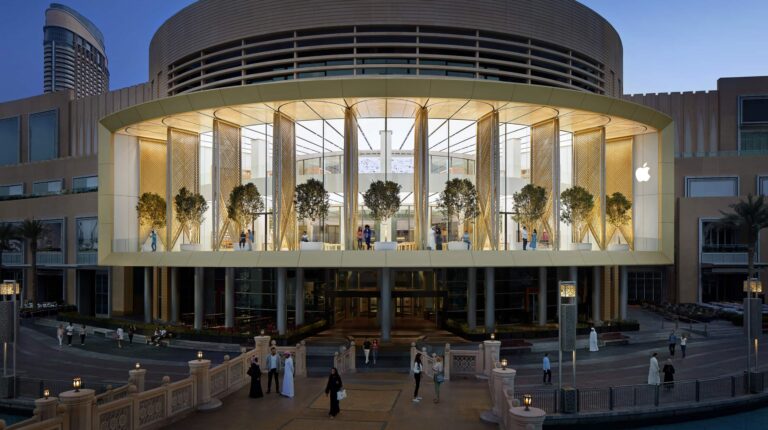
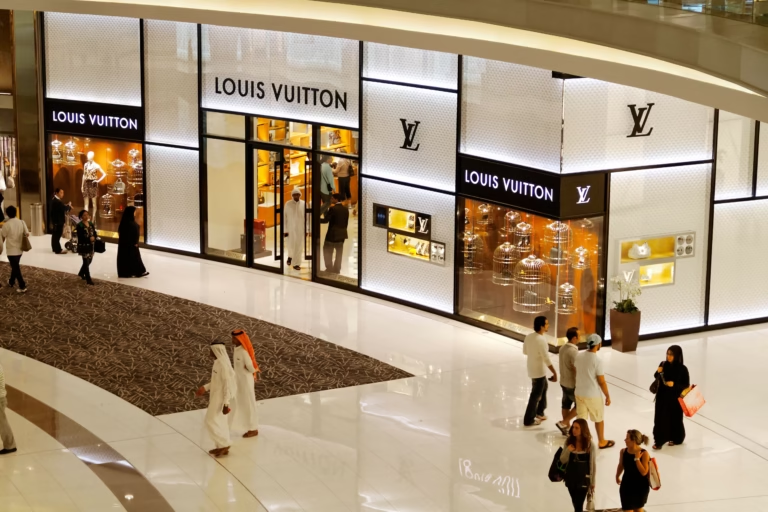
Anchors used to be defined by size (10,000 sq.ft.+). Think Department Store, Hypermarket. This has changed over time to pulling power. For example, an Apple or a Louis Vuitton store, less than 10K sq.ft., is considered an anchor, given their draw and high productivity. Or a large F&B restaurant with significant pulling power would be an anchor in a small project. In many global markets, the Hypermarket plays a strong anchor role in driving traffic, repeat sales and impulse sales from other shops and services.
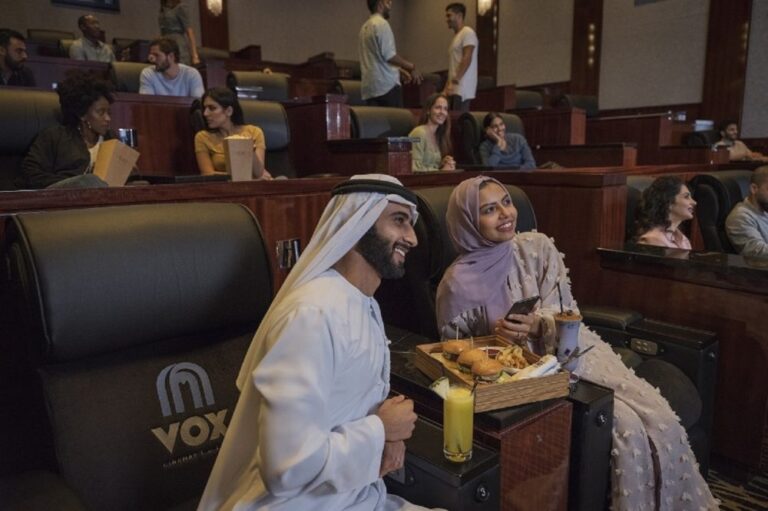
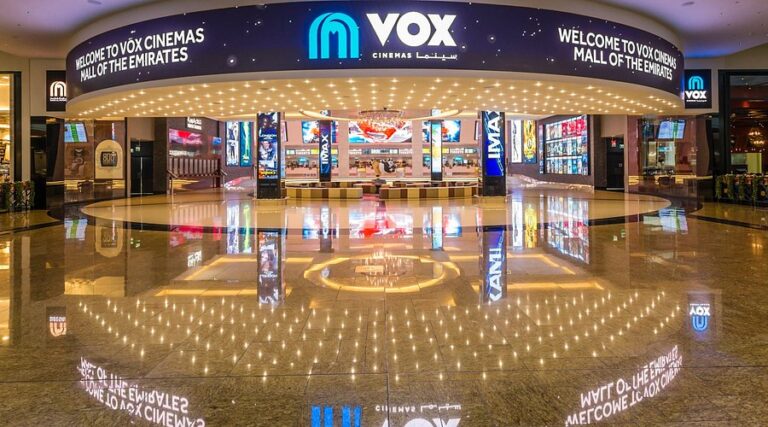
The positioning and credibility of the retail destination depend on the positioning of the anchors. It’s unlikely a premium mall will have a value price department store as an anchor. A collection of appropriate anchors—including full-line department stores, big box category killers, hypermarkets, Family Entertainment Centres, Cinemas, F&B clusters, and other entertainment attractions—sets the mall up for clear positioning and high productivity for inline stores on an ongoing basis.
Once a mall has shortlisted the right anchors based on brand suitability, it’s important to review the anchor’s performance over the last 5-10 years in terms of stability, management capability, financial strength, re-investment in the brand, growth and expansion, sales, sales productivity, innovation, merchandise mix, visual merchandising, customer service, competitiveness and more. Evaluating historical performance will help assess future performance. Anchor leases can stretch over 20 years or more and an estimation must be made on the anchor’s progression as the mall evolves to meet customer needs. A mismatch over the years can be disastrous for both parties. This exercise is vital before any negotiations start with the anchor.
For a mall operator, it means auditing every touchpoint from car park ingress to exit, and asking honestly: does this feel welcoming, or merely functional? For a retail development strategy to succeed in 2026 and beyond, experience can no longer be a layer applied after leasing decisions are made. It must be the starting point.
These anchors, with strong market standing, large GLA, width and depth of merchandise and traffic draw, have strong negotiating power. In addition to favorable rents, they negotiate on operations, operating hours, back of house facilities, minimum parking, easements, CAM, occupancy clauses, restrictions on future mall development and leasing and the list can go on. Every shopping centre feasibility study needs to access the impact of potential anchor deals both positive and negative.
In these negotiations it is important to think ahead on possibilities that may arise and restrict the mall. For example, during mall development or expansion, a temporary reduction in parking may trigger a no-rent clause if parking falls below a certain minimum. Or development may be hampered by a leasing restriction in the anchor lease that prevents a certain category from increasing its GLA.
When planning a retail development strategy, choosing anchors is a key strategic decision that will impact the performance and evolution of the mall over a number of years. Do so carefully and negotiate hard for the best long-term outcome. These decisions will make or break the retail destination.